
Doctors Who Trust Brinton Vision
Doctors who trust Brinton Vision with their own eyes
Doctors understand how much clear vision matters. Many choose modern vision correction because they want fewer workday interruptions, less dependence on glasses or contacts, and a trusted specialist to help decide which procedure truly fits their eyes.
Featured Patient
Dr. Luke Rebenitsch

Refractive Surgeon | ClearSight LASIK & Lens | Oklahoma City, Oklahoma | LRI – 2013
Siddharth B
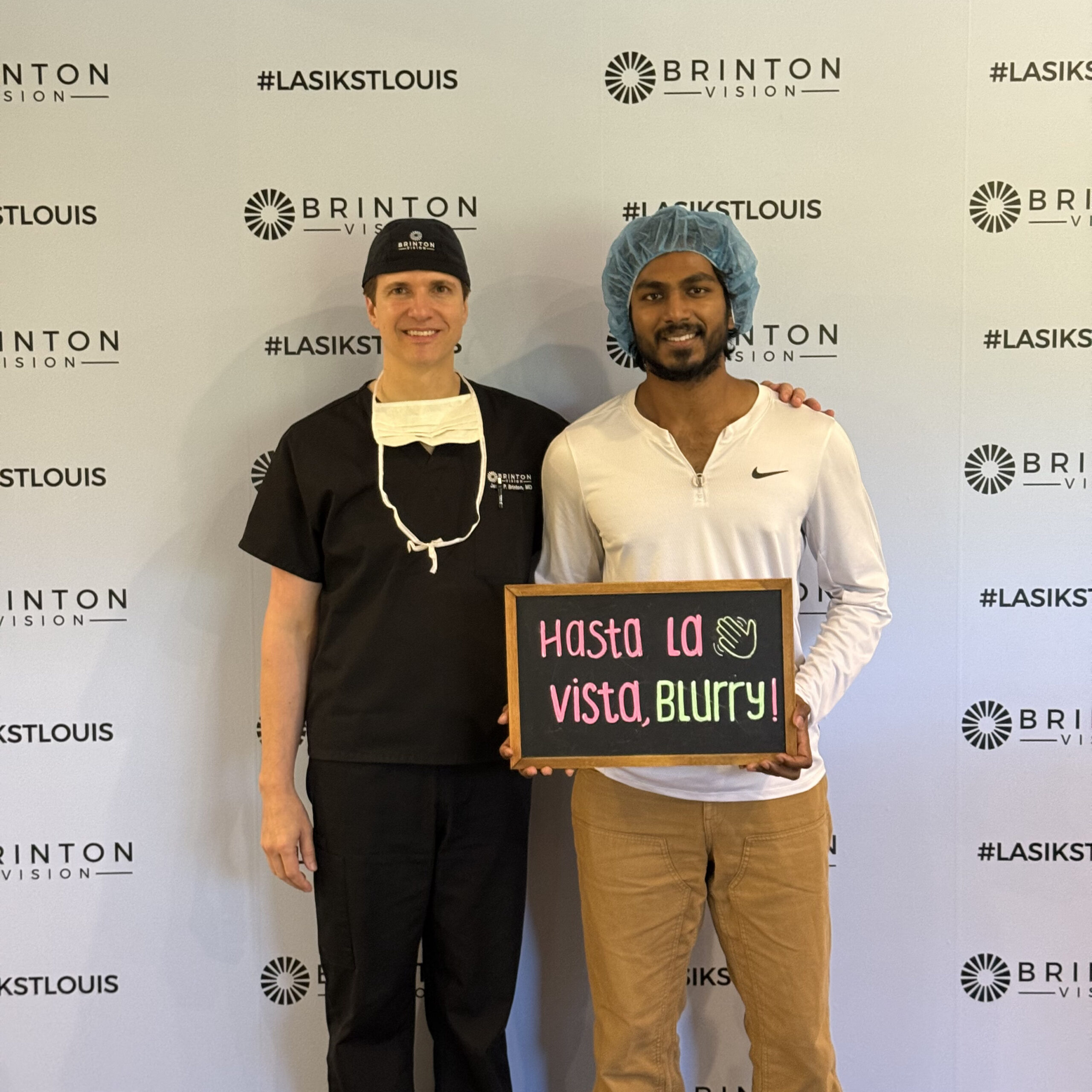
Siddharth B | Medical Resident (JFK Hospital) | Ballwin, Missouri | SBK – 2025
Dr. Kristin Weidle
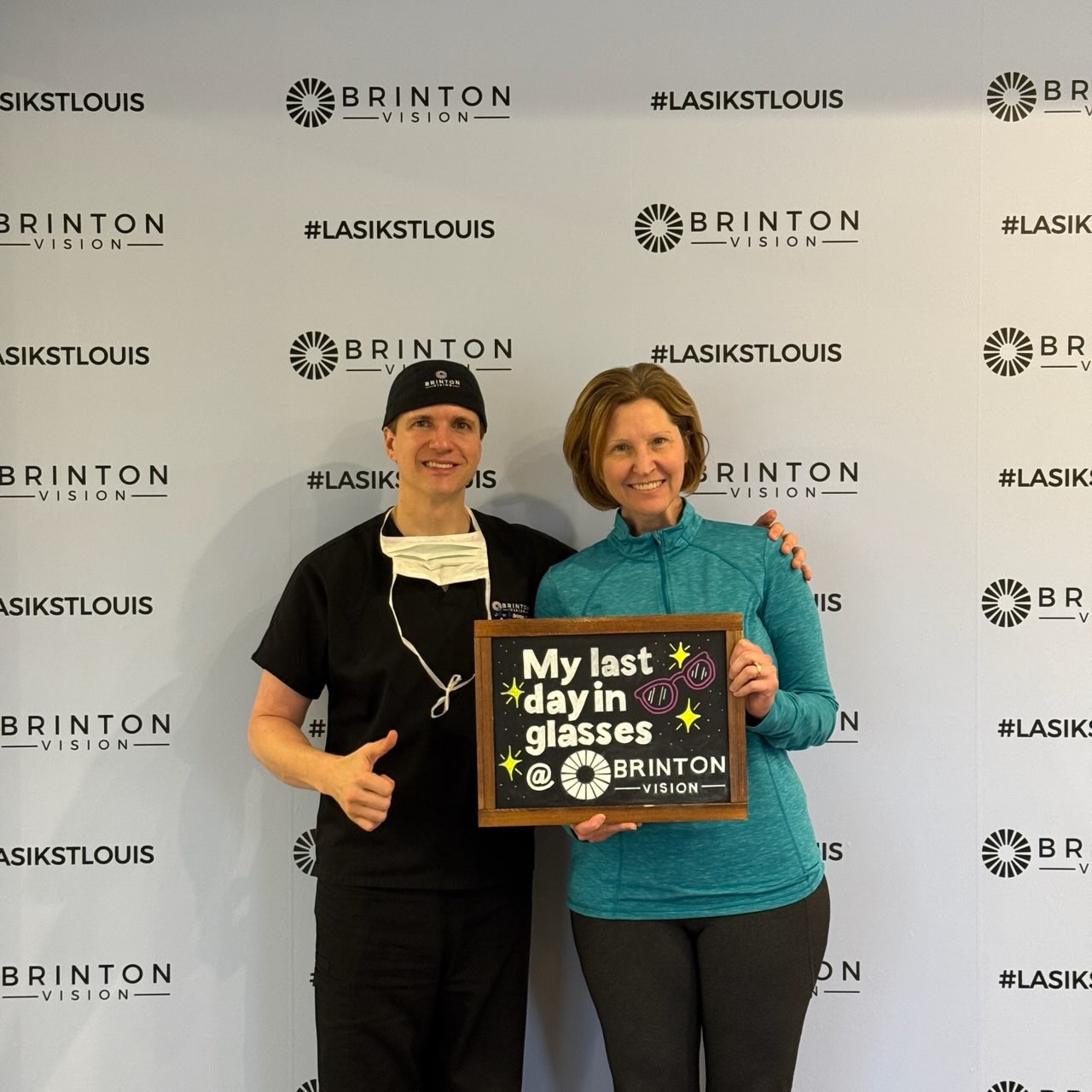
Physician | Mercy-Health | New Haven, Missouri | SBK – 2026
Dr. Thomas Berkbigler

Osteopathic Medicine | BJC | Doe Run, Missouri | SBK – 2026
Jimmy Beavers

Medical Student | Springfield, Illinois | EVO ICL – 2026
Dr. Caroline Song
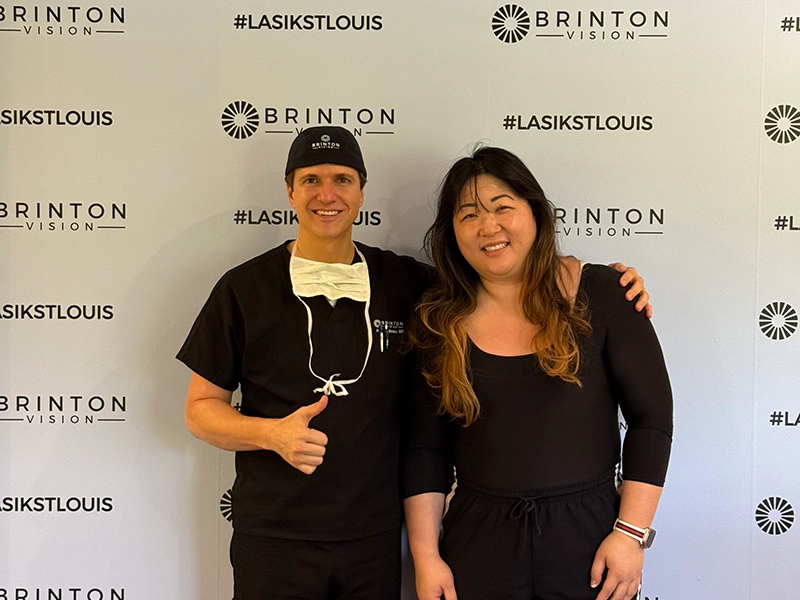
Family Medicine | Mercy Hospital Jefferson | Festus, MO | EVO ICL – 2025
Dr. Joe Roth
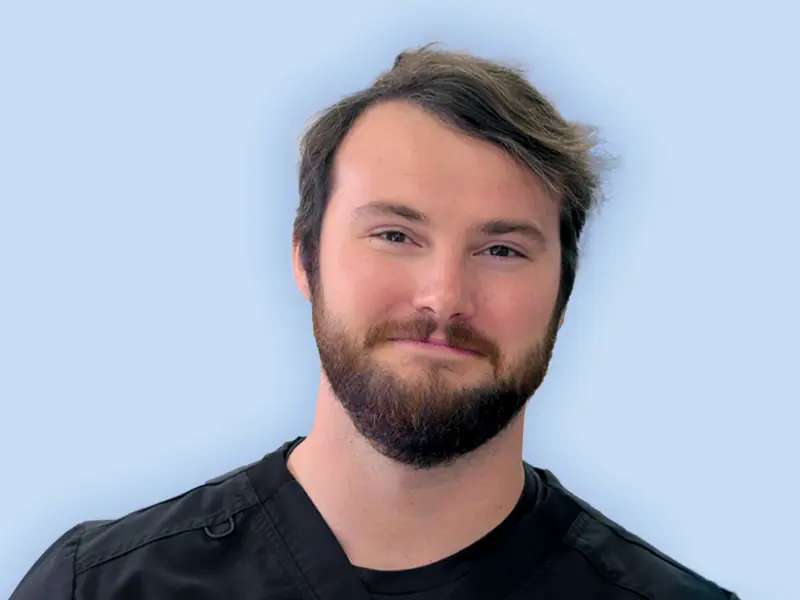
Optometrist | LensCrafters | Chesterfield, MO | EVO ICL – 2024
Dr. Kara Elise Nuspl

Internal Medicine | Mercy Hospital | St. Louis, MO | SBK LASIK – 2024
Dr. Samuel J. Keck-Flory

Child Psychiatrist | Lincoln Memorial Hospital | Chatham, IL | CLR – 2024
Dr. Tony Chami

Anesthesiologist | Retired | Chicago, IL | CLR – 2024
Dr. Mark Woolley
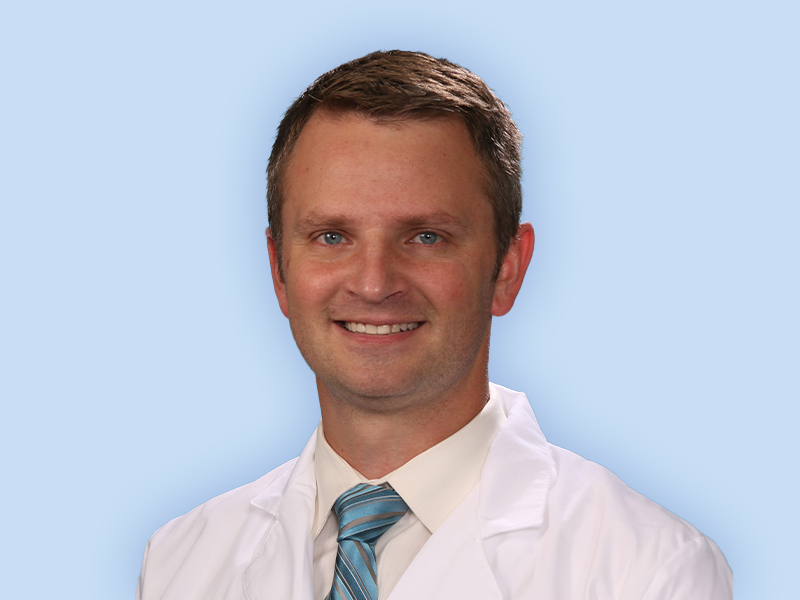
Pediatrics | WashU | St. Louis, MO | SBK LASIK 2024
Dr. Lewis Li Tian
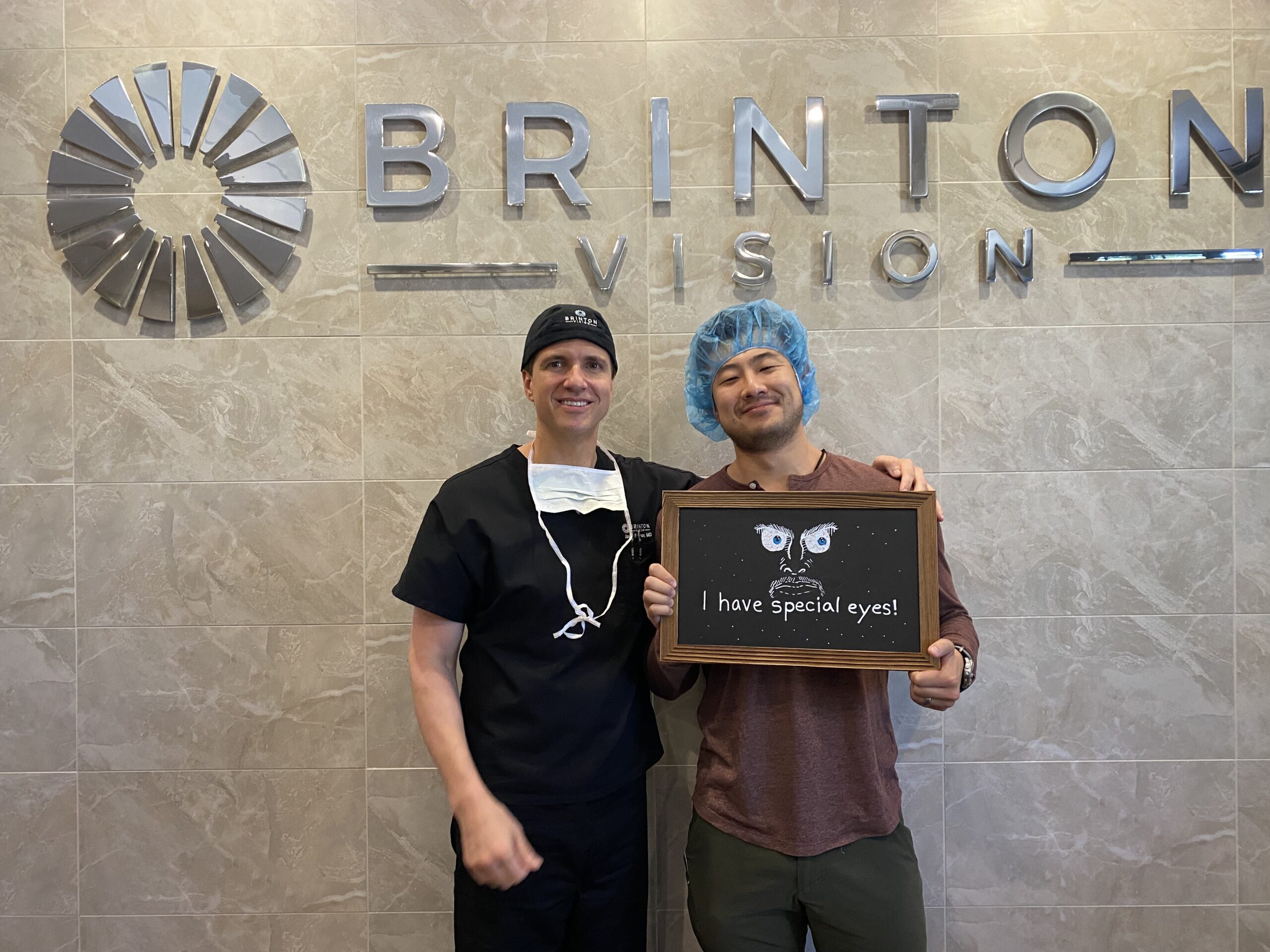
Psychiatrist | BJC | St. Louis, MO | EVO ICL – 2024
Dr. David Moravec

General surgeon | Phelps Health | Rolla, MO | ICL – 2024
Dr. Edward P Harter

Radiologist | Springfield Clinic | Springfield, IL | EVO ICL – 2023
Dr. Nichelle Enata

Orthopedic Surgery | BJC | St. Louis, MO | SBK LASIK – 2023
Dr. Alaa Ahmed

Psychiatrist | SIH Medical Group | Herrin, IL | SBK LASIK – 2023
Dr. Chris Perry

Osteopathic Medicine | BJC | St. Louis, MO | CLR – 2023
Dr. Steven Tersigni

LASIK Surgeon | Tersigni Vision | Portland, OR | EVO ICL – 2022
Dr. Holly Magre

Optometrist | Family Eye Care of O’Fallon | O’Fallon, IL | SBK LASIK 2022
Dr. Bryan Kidd

Cardiothoracic anesthesiologist | WUSTL Anesthesiology | St. Louis, MO | SBK LASIK – 2022
Dr. Jessica Buchman

Orthopedic Surgeon | Mercy Hospital | Washington, MO | PRK – 2022
Dr. Conor McCartney

Internal Medicine | Kaiser Permanente | St. Louis, MO | ICL – 2021
Dr. Jonas Noe
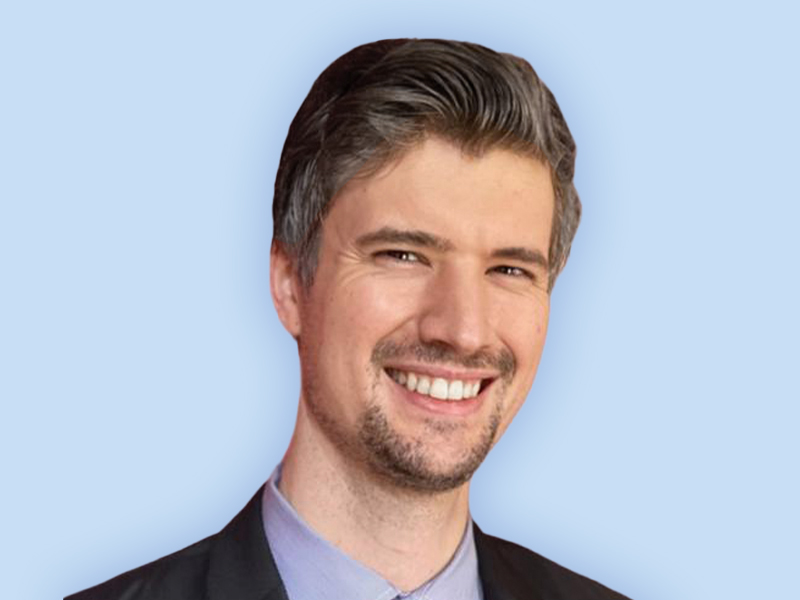
Internal Medicine | Veteran Affairs Health System | Dover, DE | ICL – 2020
Dr. Miriam Steinham

Pediatric Hospitalist | St. Louis Children’s Hospital | St. Louis, MO | CLR – 2020
Dr. Steven Haring

Optometrist | West County Eyecare | St. Louis, MO | CLR – 2019
Dr. Steve Rosen

Optometrist | Rosen Eye Care | O’Fallon, MO | CLR – 2019
Dr. Jon Reid

Optometrist | Advanced EyeCare | Carbondale, IL | SBK LASIK – 2019
Dr. Ben Secoy
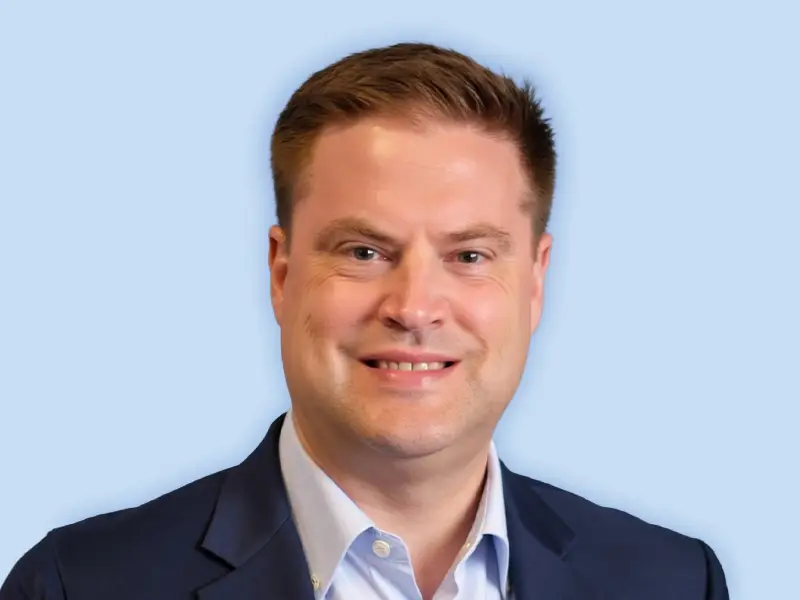
Optometrist | Manchester Eye Care | St. Louis, MO | SBK LASIK – 2019
Dr. Matthew Breeden

Clinical Informatics, Family Medicine | SSM Health Saint Louis | St. Louis, MO | SBK LASIK – 2019
Dr. Grant Hill
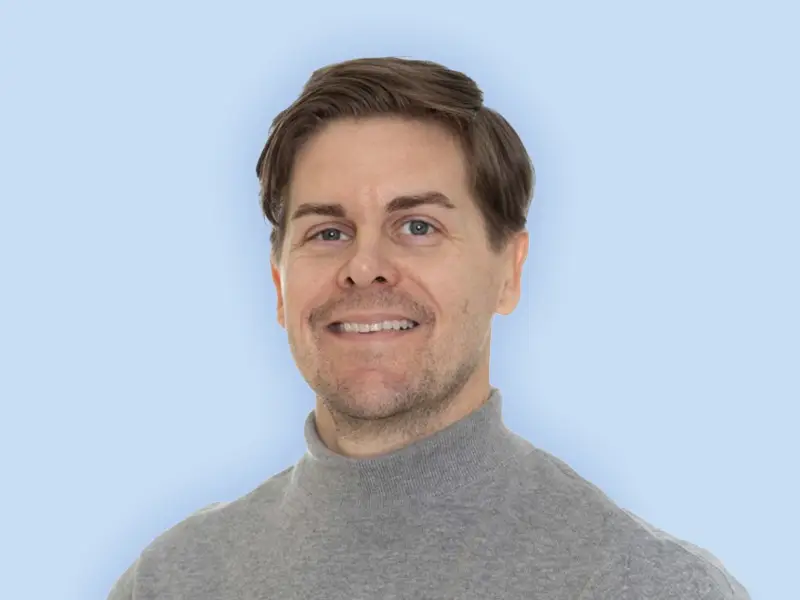
Optometrist | Clarkson Eyecare | St. Louis, MO | ICL – 2018
Dr. Patrick Yeung

Obstetrics and Gynecology | Restore Center for Endometriosis | St. Louis, MO | PRK – 2018
Dr. Anna M McCormick

Pediatrician | WashU | St. Louis, MO | SBK LASIK – 2017
Dr. Lynette F Dixon

Assistant Professor, Counseling | Lindenwood University | St. Charles, MO | SBK LASIK – 2017
Dr. Sabina Modelska

ER Physician | Florida Kendall Hospital | Miami, FL | SBK LASIK – 2017
Dr. Michael Brusco
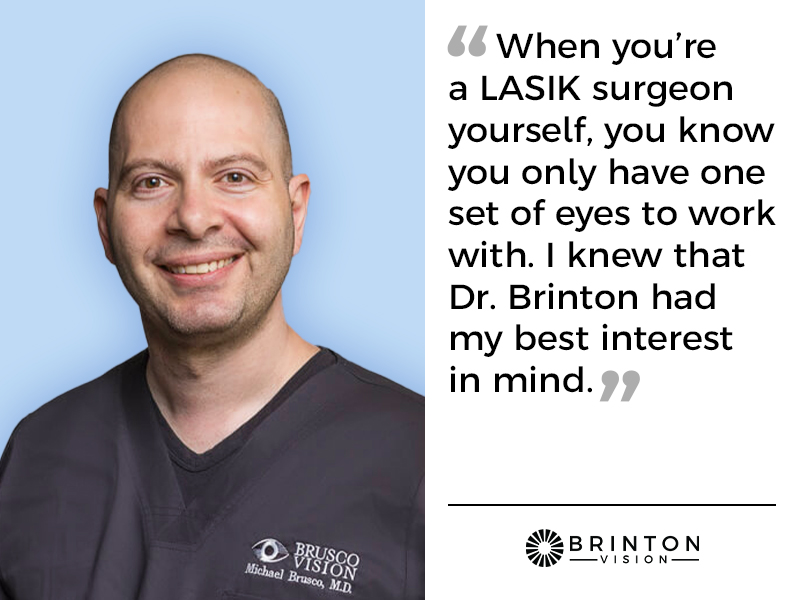
LASIK Surgeon | Brusco Vision | Falls Church, VA | ICL – 2014
Why doctors choose vision correction
Doctors understand the value of seeing clearly without extra steps
Doctors, optometrists, surgeons, dentists, nurses, and other medical professionals spend their days helping people make informed health decisions. When they choose vision correction for themselves, it is usually not about vanity. It is about making daily life and patient care simpler.
Glasses and contacts can work well, but they can also get in the way. Glasses may fog with masks, slip during busy workdays, or interfere with face shields, microscopes, loupes, and other equipment. Contacts can feel dry during long shifts and require daily cleaning, supplies, and backup glasses.
At Brinton Vision, the goal is not to push every patient toward LASIK. The goal is to find out which option, if any, is the best fit for that person’s eyes, work, age, prescription, and goals.
Fewer workday interruptions
Doctors often move between exam rooms, computers, masks, lights, instruments, and patients. Not having to adjust glasses or manage dry contacts can make the day feel easier.
Less dependence on contacts
Contacts are medical devices. They must be cleaned, stored, and worn correctly. Some doctors choose vision correction because they want less daily contact lens care.
Better fit with masks and shields
Glasses can fog, slide, or feel crowded under masks, shields, and other protective equipment. Vision correction may reduce that daily hassle for the right candidate.
More confidence during long shifts
Long clinic days, overnight call, dry hospital air, and screen-heavy work can make contacts uncomfortable. Some doctors want vision that feels more natural throughout the day.
A plan based on measurements
Doctors know that the right procedure depends on the eye. Corneal shape, prescription, tear film, age, and eye health all matter before a recommendation is made.
More than one procedure option
Brinton Vision offers SBK LASIK, EVO ICL, Custom Lens Replacement (CLR), SMILE, and PRK. Candidacy is determined through the Brinton Vision Ocular Analysis (BVOA), a diagnostic exam.
Procedure options
You do not have to know which procedure you need before your visit
Many patients start by asking about LASIK. After testing, some may learn that SBK LASIK, SMILE, PRK, EVO ICL, or Custom Lens Replacement may be a better match. Brinton Vision evaluates corneal thickness, prescription, age, ocular health, lifestyle demands, and visual goals before recommending a treatment path.
SBK LASIK
A thin-flap laser vision correction option for select candidates.
SMILE
A small-incision laser option for select patients.
PRK
A surface-based laser option for certain corneal profiles.
EVO ICL
An implantable lens option for certain prescriptions.
CLR
Custom Lens Replacement for select patients, often including people with age-related near vision needs.
No procedure
Sometimes the safest recommendation is to wait or choose no surgery.
Glasses and contacts are not always simple
Many doctors are tired of daily vision workarounds
Glasses and contacts are helpful, but they are not always invisible in daily life. For medical professionals, small frustrations can show up many times a day during patient care, charting, procedures, travel, and family life.
Glasses
Glasses can fog with masks, get scratched, slide during busy days, limit side vision, and get in the way of face shields, loupes, or microscopes.
Contacts
Contacts can feel dry during long shifts and require careful cleaning, storage, replacement, travel supplies, and backup glasses.
Vision correction
For the right candidate, modern vision correction may reduce dependence on glasses and contacts and make everyday tasks easier.
Why doctors look closely at the exam
The decision starts with measurements, not a procedure name
Doctors know that safe, effective vision correction depends on choosing the right treatment for the right eyes. That is why the exam matters so much. A good recommendation should be based on more than a prescription. It should include the shape and thickness of the cornea, the health of the tear film, the size of the pupil, the age of the patient, the health of the natural lens, and how the person uses their vision every day.
This is one reason many medical professionals value the Brinton Vision Ocular Analysis. It is designed to help determine whether a patient may be a candidate for SBK LASIK, SMILE, PRK, EVO ICL, Custom Lens Replacement, or whether surgery should not be recommended at that time.
Corneal shape
The cornea must be carefully measured before laser vision correction is considered. Its shape helps guide whether LASIK, SMILE, PRK, or another option may be appropriate.
Tear film health
Dry eyes can affect comfort and vision quality. Doctors often pay close attention to this because long clinic days and screen use can make dryness more noticeable.
Prescription range
Some prescriptions fit well with laser vision correction. Others may be better suited for an implantable lens option such as EVO ICL or a lens-based option such as CLR.
Why surgeon choice matters
Doctors tend to choose a surgeon the way they would choose a specialist
A doctor choosing vision correction often looks beyond location or price. They may ask about training, experience, technology, testing, complication planning, and whether the surgeon offers more than one type of procedure. They want to know that the recommendation is based on what is best for the patient, not on a one-procedure-fits-all approach.
Brinton Vision is led by Dr. Jason Brinton, M.D., a Harvard-trained refractive surgeon. For doctors and other medical professionals, that level of focus can matter because they understand how much judgment goes into patient selection and surgical planning.
Training
Medical professionals often want to know who is guiding the decision and what kind of refractive surgery background that surgeon brings to the case.
Technology
Advanced testing helps the surgeon understand details that are not visible during a basic eye exam. Those details can change the recommendation.
Judgment
Sometimes the most important decision is knowing when not to recommend a procedure. Doctors value that kind of careful judgment.
Why doctors may travel for vision correction
For many medical professionals, trust can matter more than convenience
Doctors and optometrists may travel for vision correction because they are choosing the team, technology, and surgical judgment they trust. For them, the closest option is not always the most important option. They may be looking for a practice that focuses on refractive surgery, offers multiple procedure choices, and takes time to explain the reasoning behind the recommendation.
That same approach can help any patient. You do not need to be a doctor to want a careful answer. You deserve to understand what your eyes need, what your options are, and why one procedure may be recommended over another.
What this means for patients
You can use the same questions doctors ask
You do not need medical training to make a thoughtful choice about your vision. A good consultation should help you understand whether you are a candidate, which options fit your eyes, what the risks are, what recovery may look like, and what result is realistic for your daily life.
Many patients come to Brinton Vision because they are tired of glasses or contacts. Others want better visual freedom for work, sports, travel, parenting, or everyday life. The first step is the same: a detailed diagnostic exam and a recommendation based on your eyes.
Ask what fits your eyes
Instead of asking only, “Can I get LASIK?” ask which procedure, if any, best matches your measurements, age, prescription, and goals.
Ask about risks
Every procedure has risks. A clear consultation should explain those risks in plain language and help you understand how they apply to you.
Ask what happens next
Recovery, follow-up visits, eye drops, and return-to-work timing can vary by procedure. Your plan should be specific to you.
Doctor Testimonials
Doctors who chose Brinton Vision
Explore physicians and medical professionals who trusted Brinton Vision with their own eyes.
Dr. Luke Rebenitsch
Refractive Surgeon | ClearSight LASIK & Lens | Oklahoma City, Oklahoma | LRI – 2013
Siddharth B
Siddharth B | Medical Resident (JFK Hospital) | Ballwin, Missouri | SBK – 2025
Dr. Kristin Weidle
Physician | Mercy-Health | New Haven, Missouri | SBK – 2026
Dr. Thomas Berkbigler
Osteopathic Medicine | BJC | Doe Run, Missouri | SBK – 2026
Jimmy Beavers
Medical Student | Springfield, Illinois | EVO ICL – 2026
Dr. Caroline Song
Family Medicine | Mercy Hospital Jefferson | Festus, MO | EVO ICL – 2025
Dr. Joe Roth
Optometrist | LensCrafters | Chesterfield, MO | EVO ICL – 2024
Dr. Kara Elise Nuspl
Internal Medicine | Mercy Hospital | St. Louis, MO | SBK LASIK – 2024
Dr. Samuel J. Keck-Flory
Child Psychiatrist | Lincoln Memorial Hospital | Chatham, IL | CLR – 2024
Dr. Tony Chami
Anesthesiologist | Retired | Chicago, IL | CLR – 2024
Dr. Mark Woolley
Pediatrics | WashU | St. Louis, MO | SBK LASIK 2024
Dr. Lewis Li Tian
Psychiatrist | BJC | St. Louis, MO | EVO ICL – 2024
Dr. David Moravec
General surgeon | Phelps Health | Rolla, MO | ICL – 2024
Dr. Edward P Harter
Radiologist | Springfield Clinic | Springfield, IL | EVO ICL – 2023
Dr. Nichelle Enata
Orthopedic Surgery | BJC | St. Louis, MO | SBK LASIK – 2023
Dr. Alaa Ahmed
Psychiatrist | SIH Medical Group | Herrin, IL | SBK LASIK – 2023
Dr. Chris Perry
Osteopathic Medicine | BJC | St. Louis, MO | CLR – 2023
Dr. Steven Tersigni
LASIK Surgeon | Tersigni Vision | Portland, OR | EVO ICL – 2022
Dr. Holly Magre
Optometrist | Family Eye Care of O’Fallon | O’Fallon, IL | SBK LASIK 2022
Dr. Bryan Kidd
Cardiothoracic anesthesiologist | WUSTL Anesthesiology | St. Louis, MO | SBK LASIK – 2022
Dr. Jessica Buchman
Orthopedic Surgeon | Mercy Hospital | Washington, MO | PRK – 2022
Dr. Conor McCartney
Internal Medicine | Kaiser Permanente | St. Louis, MO | ICL – 2021
Dr. Jonas Noe
Internal Medicine | Veteran Affairs Health System | Dover, DE | ICL – 2020
Dr. Miriam Steinham
Pediatric Hospitalist | St. Louis Children’s Hospital | St. Louis, MO | CLR – 2020
Dr. Steven Haring
Optometrist | West County Eyecare | St. Louis, MO | CLR – 2019
Dr. Steve Rosen
Optometrist | Rosen Eye Care | O’Fallon, MO | CLR – 2019
Dr. Jon Reid
Optometrist | Advanced EyeCare | Carbondale, IL | SBK LASIK – 2019
Dr. Ben Secoy
Optometrist | Manchester Eye Care | St. Louis, MO | SBK LASIK – 2019
Dr. Matthew Breeden
Clinical Informatics, Family Medicine | SSM Health Saint Louis | St. Louis, MO | SBK LASIK – 2019
Dr. Grant Hill
Optometrist | Clarkson Eyecare | St. Louis, MO | ICL – 2018
Dr. Patrick Yeung
Obstetrics and Gynecology | Restore Center for Endometriosis | St. Louis, MO | PRK – 2018
Dr. Anna M McCormick
Pediatrician | WashU | St. Louis, MO | SBK LASIK – 2017
Dr. Lynette F Dixon
Assistant Professor, Counseling | Lindenwood University | St. Charles, MO | SBK LASIK – 2017
Dr. Sabina Modelska
ER Physician | Florida Kendall Hospital | Miami, FL | SBK LASIK – 2017
Dr. Michael Brusco
LASIK Surgeon | Brusco Vision | Falls Church, VA | ICL – 2014
Questions doctors ask
Common questions about LASIK for doctors
Every doctor’s eyes and schedule are different. These answers are general and should not replace a personalized evaluation.
Do refractive surgeons get LASIK on their own eyes?
Why do physicians and optometrists travel for refractive surgery?
What credentials should a doctor look for when choosing a LASIK surgeon?
Is LASIK the best option for doctors?
How soon can doctors return to work after vision correction?
Can vision correction help with glasses, masks, loupes, or clinical workflows?
How does a doctor's LASIK consultation differ from a typical patient's?
Why do doctors care so much about testing before LASIK?
Are contacts safer than vision correction surgery?
Why might a doctor choose EVO ICL or CLR instead of LASIK?
Ready to learn what is possible?
Schedule your Brinton Vision Ocular Analysis
Many people come to Brinton Vision asking about LASIK. The Brinton Vision Ocular Analysis helps determine whether LASIK, SBK, SMILE, PRK, EVO ICL, Custom Lens Replacement, or no procedure is the right recommendation for your eyes.